The four resident red foxes at Northwest Trek Wildlife Park recently received their annual preventive wellness exams, and all are doing well overall, according to veterinary staff.

“These exams are essential for monitoring the health of our senior animals,” said Dr. Kadie Anderson, Head Veterinarian at Northwest Trek. “We check everything from eyes and ears to teeth, paws, and internal health through x-rays and ultrasound evaluation. It’s also a good time for them to receive boosters for their vaccinations.”


The foxes – Jack, Radar, Kamiah, and Whittaker – were all rescued from the wild in Idaho as young pups in 2013. Now seniors, they’ve grown up in the forested habitat of the wildlife park, where they’ve dug an elaborate den system and exhibit unique personalities.

Jack is the undisputed leader, known for barking loudly whenever keepers enter his space. Radar, bold and brave, enjoys supervising any work done in the habitat. Kamiah is calm but confident, holding her ground with her siblings when necessary. And Whittaker, the shyest, often warms up when treats like mice or chicks are offered.

Veterinary staff did identify a few abnormalities during Whittaker’s exam that they are monitoring. A small mass was recently removed, and he has broken canine teeth, which the team will continue to keep a close eye on.

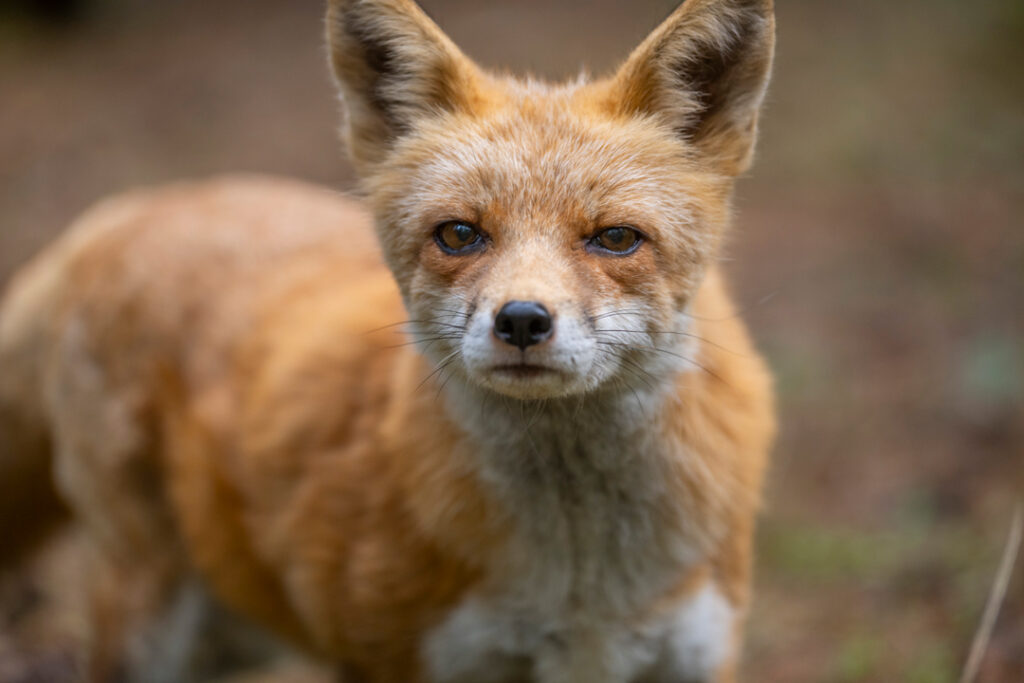
While foxes are typically elusive, guests might spot them sunbathing in dappled shade on clear days. With their reddish-yellow coats, bushy white-tipped tails, and black legs, red foxes are known for their striking appearance.

Modifications were recently made to their habitat. Some of the tunnels the foxes dug have been filled in, and more above-ground accommodations are now in place to keep the foxes warm and dry. This update gives animal care staff better access for observation and treatment as the foxes continue to age.
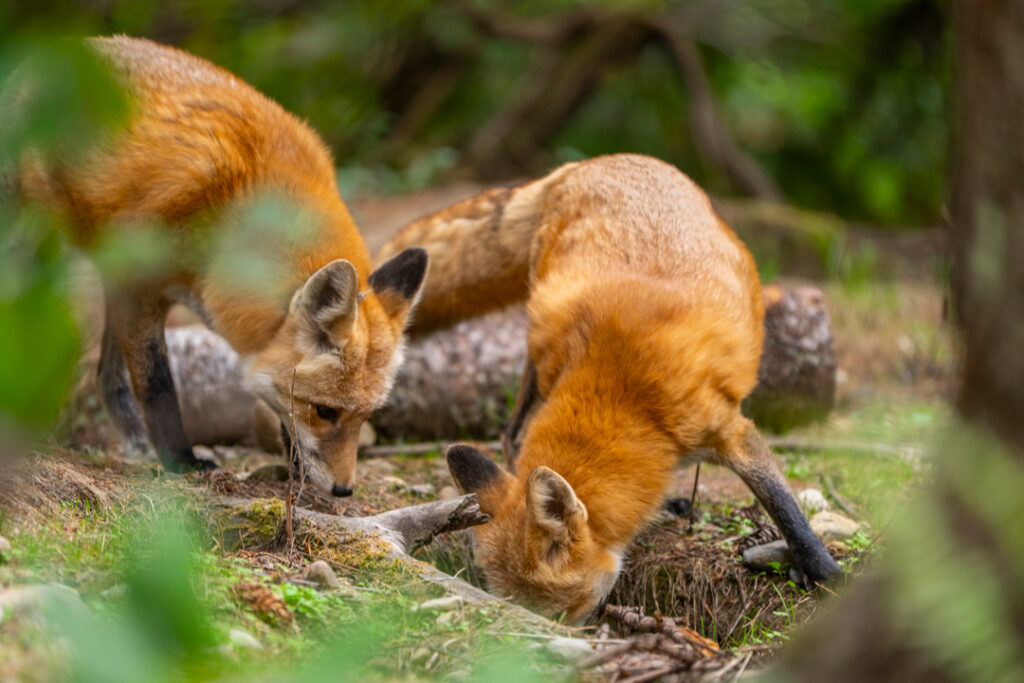
Native to much of the Northern Hemisphere, from the Arctic Circle to North Africa and across North America, Europe, and Asia, red foxes are highly adaptable. They primarily hunt alone, using a range of vocalizations to communicate, especially during mating season.