More than 1,160 observers took part in this year’s City Nature Challenge spanning King, Pierce, and Snohomish counties, including Everett, Seattle, Bellevue, Tacoma, Snohomish and communities throughout the region. Between April 24 and April 27, community scientists shared 17,300 nature observations and identified 1,788 species, documenting the incredible biodiversity found across the Seattle-Tacoma metropolitan area.

“This year’s City Nature Challenge once again demonstrated the passion our community has for nature and wildlife,” said Zachary Hawn, Conservation Coordinator at Point Defiance Zoo & Aquarium and Northwest Trek Wildlife Park. “Every observation contributes valuable scientific data that helps researchers, land managers and conservation organizations better understand and protect the species that share our region.”
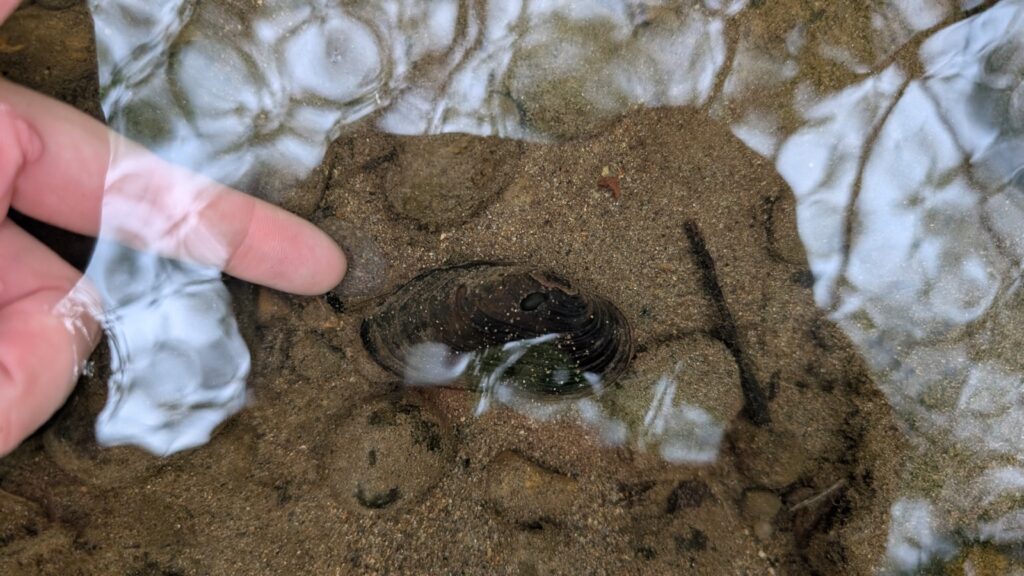
Participants documented 26 threatened or endangered species during the challenge, including marbled murrelet, western toad, mountain goat, orca, western pearlshell, Taylor’s checkerspot, and scarlet taildropper.
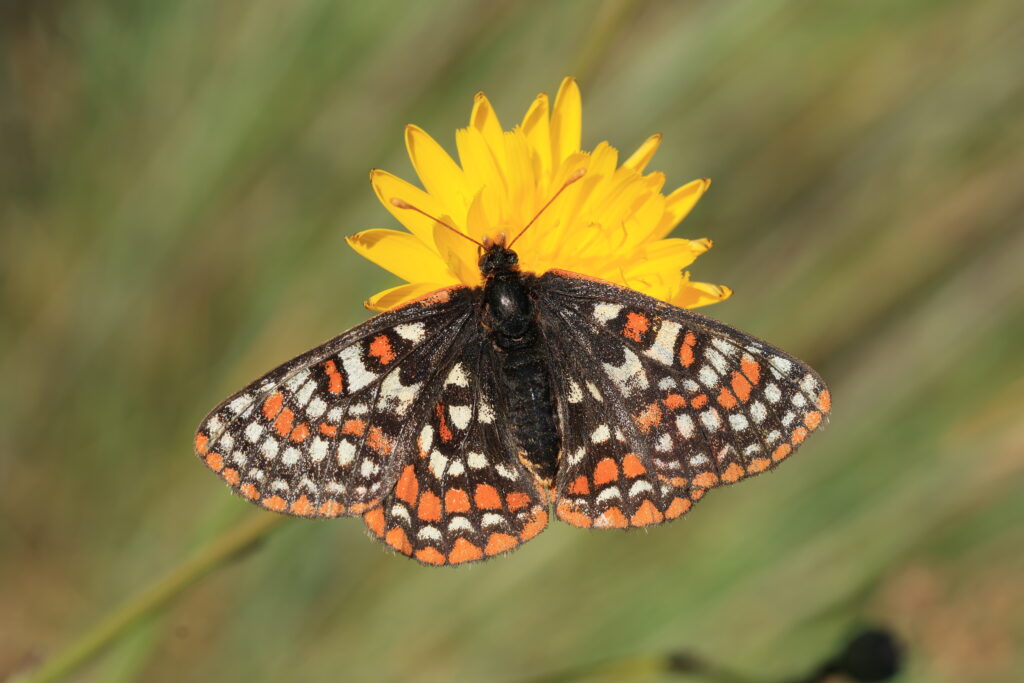

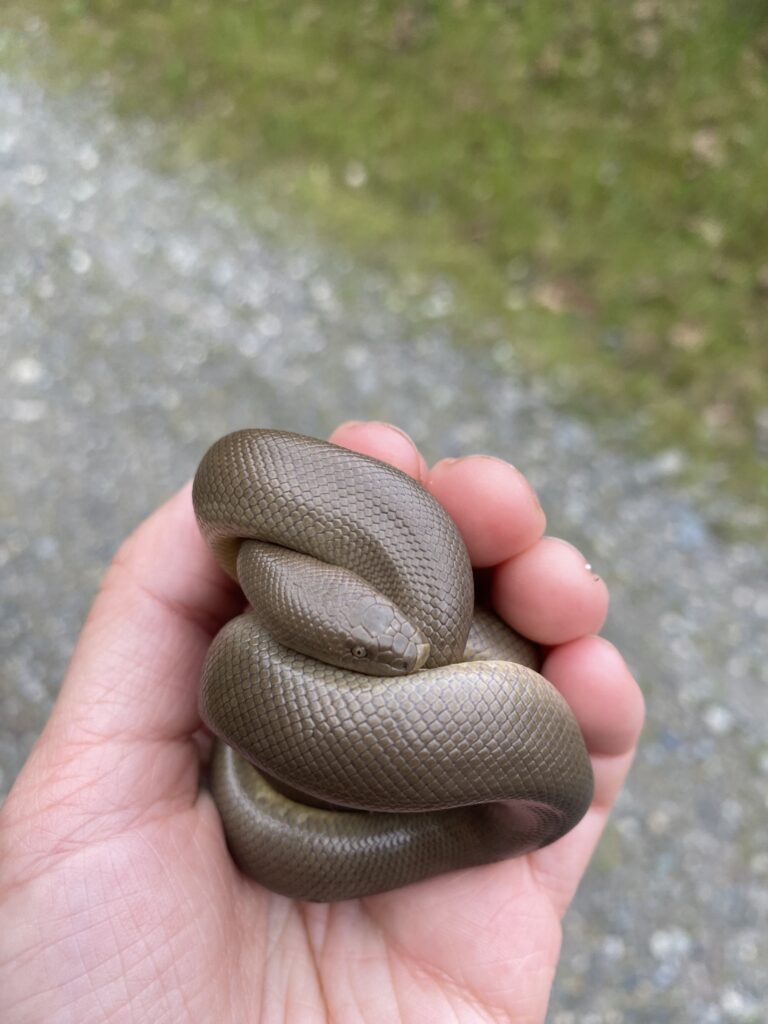
Community scientists also recorded several exciting regional highlights, including bobcat, northern rubber boa, a horned nudibranch laying eggs, deltoid balsamroot, Taylor’s checkerspot butterfly, and a damsel bug, Nabis lovetti, which was documented for the first time during the City Nature Challenge in the Seattle-Tacoma region.

The City Nature Challenge is a global community science event that encourages people to find, identify and document living things within their local area over a set period of time. The challenge is organized internationally by the Natural History Museum of Los Angeles County and the California Academy of Sciences. Point Defiance Zoo & Aquarium, Northwest Trek Wildlife Park and Woodland Park Zoo partner to promote the challenge in the Seattle-Tacoma metropolitan area, helping community members learn how to participate, contribute to science and discover local wildlife and habitats.
You can be a community scientist year-round. For more information about how to get involved, visit our community science page.