Northwest Trek’s four red fox siblings, Radar, Kamiah, Whittaker, and Jack, are turning 13 this month. For red foxes, that puts them firmly in super-senior territory.
“In the wild, red foxes rarely reach this age. Even under human care, 13 is impressive,” said Carnivore Keeper Caroline. “That all four siblings have reached this milestone together reflects the commitment of our keepers and veterinary team, and the trust we’ve built with them over the years.”
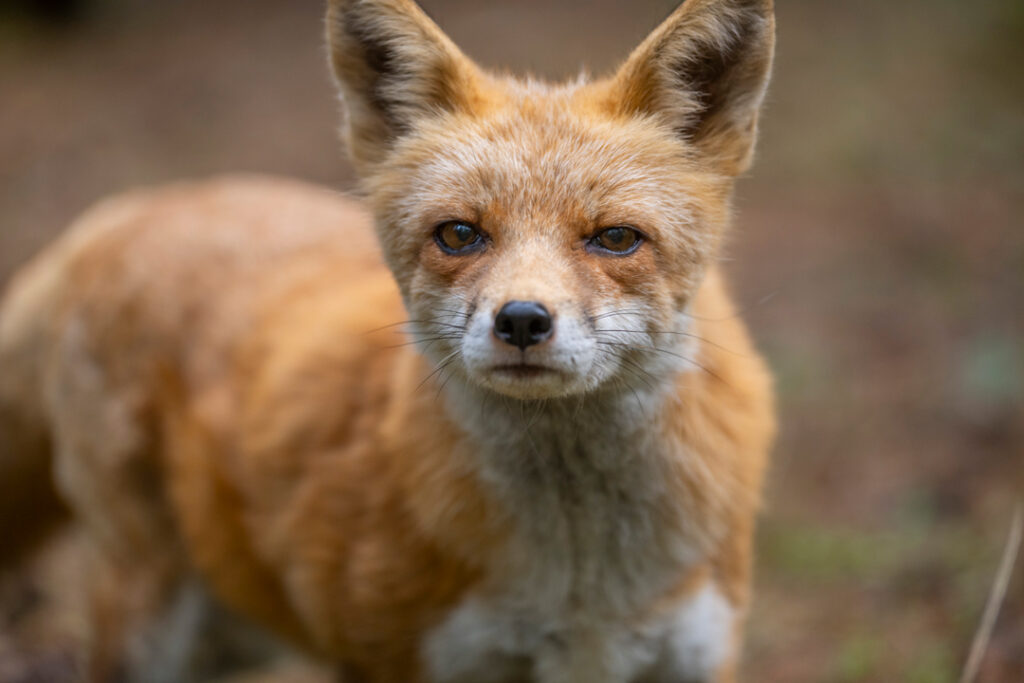
The foxes were rescued as young kits from Idaho in April 2013 and brought to Northwest Trek. Over time, they created an extensive underground den system, a network of tunnels similar to what they would build in the wild. While natural and enriching, those tunnels became harder to manage as the foxes aged.
As Radar, Kamiah, Whittaker, and Jack entered their senior years, their care team began adjusting to meet their changing needs. The underground system made it more difficult to monitor their health, administer medications, and ensure their safety. Keepers used tools like scope cameras to check on them, but it became clear a more proactive approach was needed.
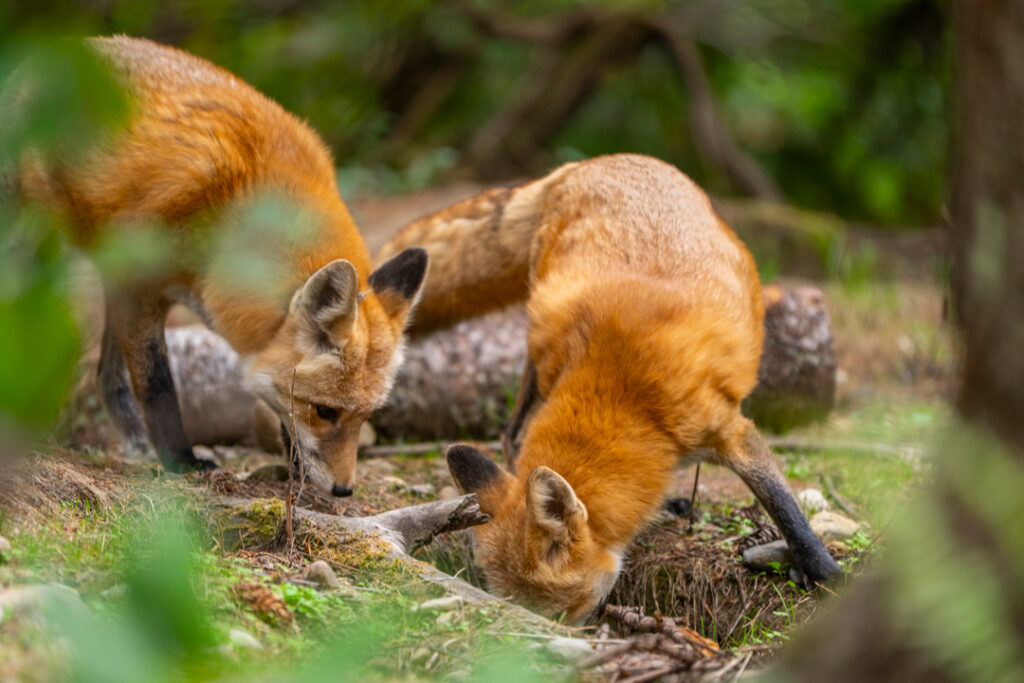
In October 2025, the team made the decision to fill in the tunnel system to better support the foxes in their geriatric years.
Over the last six months, keepers have focused on training that allows the foxes to actively participate in their own care. Using consistent positive reinforcement, they are learning behaviors like entering crates and stepping onto a scale for regular weight checks. They also engage in target training, gently touching a target in exchange for a reward.
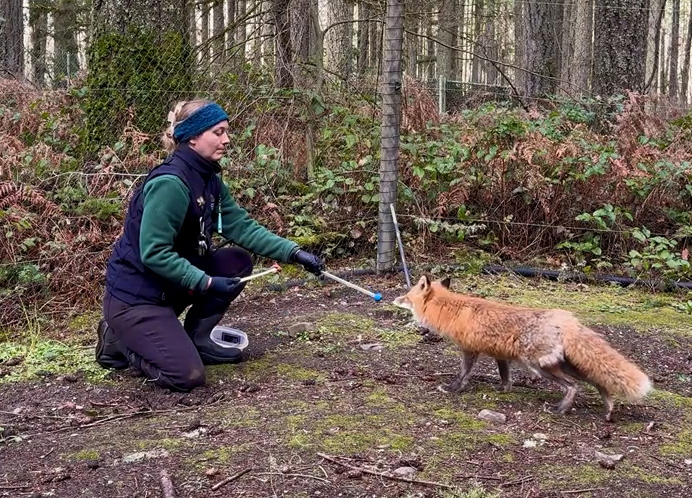
“The keepers have worked really hard to make these behaviors completely voluntary,” Caroline said. “That way, the foxes can participate in their own care without stress.”
As that trust has deepened, the foxes have begun spending more time near their keepers, especially in their indoor bedroom spaces. This has made medical care easier and less invasive, while also strengthening their relationship with staff.
To support more above-ground activity, the team has also added new features to the habitat, including a hammock filled with soft wood wool.
“Because of the care they receive, we hope they continue to live comfortably in the years ahead,” Caroline said.